
The wait is over for Australian small businesses. The $20,000 instant asset write-off for the 2025-26 financial year is officially law, providing much-needed certainty for planning and investment. This scheme is a powerful tool, but understanding exactly how it works is the first step to making the most of it.
At its core, the instant asset write-off allows eligible businesses to claim an immediate tax deduction for the full cost of a business asset in the year it’s purchased and used. Instead of depreciating the cost over several years, you get the entire benefit upfront, which can significantly improve your cash flow. Think of it as a direct boost to your bottom line for making smart investments in your business.
To qualify, your business must have an aggregated annual turnover of less than $10 million. The scheme applies to assets purchased and put to use between 1 July 2025 and 30 June 2026. According to the Australian Taxation Office (ATO), this timeframe is strict, so planning is essential.
A common point of confusion is the $20,000 threshold. This is a per-asset limit, not a total cap. This means you can purchase multiple assets and claim the full deduction for each one, as long as each individual item costs less than $20,000. This makes the instant asset write off 2026 Australia scheme incredibly flexible for businesses needing to upgrade several pieces of equipment at once.
What if an asset costs more than $20,000? It’s not a lost cause. These assets are simply placed into your small business depreciation pool and depreciated over time at a standard rate. However, the immediate cash flow advantage comes from staying under that $20,000 mark for each purchase. For more insights on managing your business finances, you can explore our collection of articles.
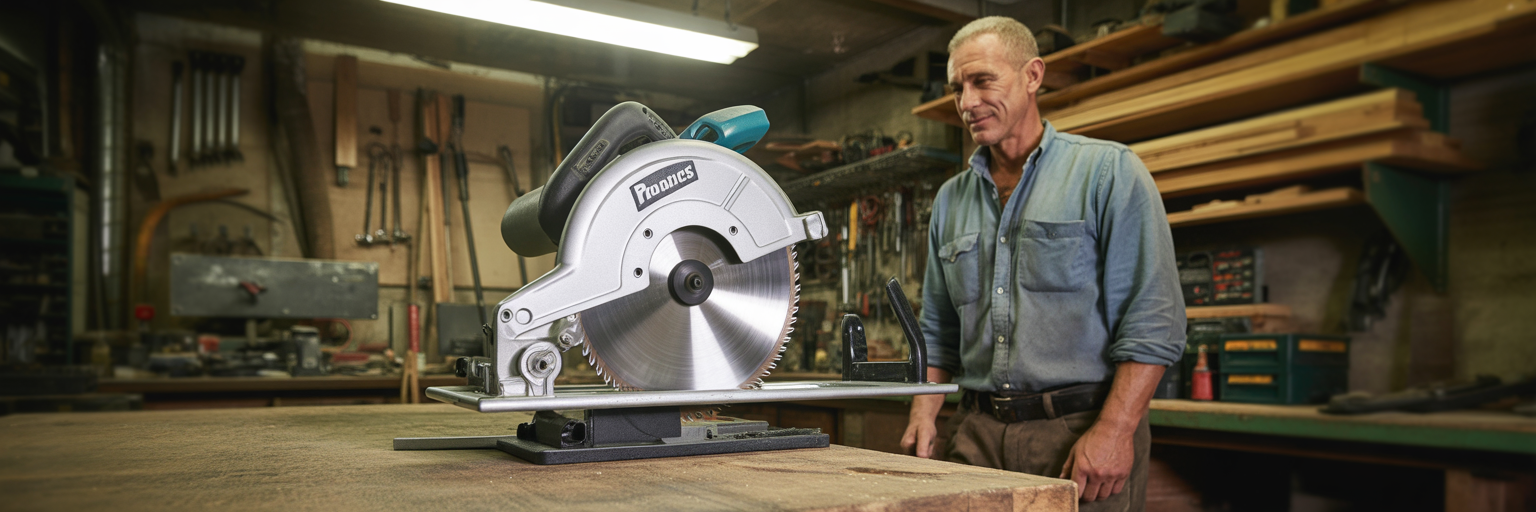
Now that we’ve covered the rules, the real question is: what can you actually buy? The scheme is designed to be practical, covering a wide range of assets that help you run and grow your business. It’s not just about big machinery; everyday tools and technology qualify too. When considering what can I claim on instant asset write off, think about the items that would make a tangible difference to your daily operations.
For example, a tradie could finally get that new set of power tools or a better fit-out for their ute. A cafe owner might invest in a high-performance commercial coffee machine to cut down wait times during the morning rush. Even office-based businesses can benefit by upgrading to high-performance laptops, new printers, or ergonomic office furniture to improve productivity.
It’s not limited to physical items either. Off-the-shelf business software also qualifies, allowing you to modernise your accounting, project management, or customer relationship systems. However, it’s just as important to know what’s excluded. You can’t claim structural improvements to buildings, known as capital works, or assets that you lease out to others more than 50% of the time. Funding these purchases is often the next step, and various business loans we offer can cover these costs without draining your cash reserves.
| Business Type | Eligible Asset Examples (Under $20k) | Potential Business Impact |
|---|---|---|
| Tradie (Plumber, Electrician) | New power tool sets, testing equipment, work ute accessories | Increase job efficiency and take on more complex work |
| Cafe or Restaurant | Commercial espresso machine, POS system, new ovens or grills | Serve customers faster and expand menu offerings |
| Retail Shop | Modern POS system, security cameras, shelving and display units | Improve inventory management and enhance customer experience |
| Consultant or Agency | High-performance laptops, cameras, printers, office furniture | Boost productivity and deliver higher quality work |
This table provides practical examples to help business owners identify strategic purchases that qualify for the write-off and can deliver a tangible return on investment.
While the tax deduction is a great incentive, the real power of the write-off lies in making strategic investments that move your business forward. It’s easy to fall into the trap of last-minute spending just to claim a deduction. But the smartest business owners use this opportunity as a catalyst for growth. Are you just buying something for the sake of it, or are you solving a problem that’s been holding you back?
A simple planning process can help you focus on what truly matters:
For a graphic designer, a new high-performance computer isn’t just a shiny new toy. It’s a tool that can cut rendering times in half, allowing them to take on more clients. For a landscaper, investing in a mini-excavator means they can bid on larger, more profitable jobs they previously had to turn down. This is where small business equipment finance Australia becomes a key part of your growth strategy. Executing these plans often requires a reliable funding partner, and that’s where we at fundU can help you act decisively.

Having a strategic plan is one thing, but what if you don’t have $19,999 sitting in the bank? This is a reality for many small businesses, and it’s the single biggest barrier to using the write-off. We’ve all been there, seeing a perfect opportunity but feeling constrained by immediate cash flow. The good news is you don’t have to miss out.
Here’s a counterintuitive fact that many business owners miss: using finance to acquire an asset does not disqualify you from claiming the instant write-off. You can secure the asset, put it to work generating income immediately, and claim the full tax deduction in the same financial year, all while spreading the cost over manageable repayments. This is where non-bank lenders like fundU are perfectly positioned to help.
Traditional banks can be slow, demanding mountains of paperwork that you simply don’t have time for, especially with a deadline looming. We specialise in fast business loans for equipment, with a fully digital process designed for speed and simplicity. Our streamlined digital process means you can see just how simple it is to get started on our application page. We understand that business opportunities are time-sensitive. That’s why we offer same-day funding, ensuring you can secure that crucial piece of equipment before 30 June.
Furthermore, we believe your history shouldn’t block your future. Whether you have a less-than-perfect credit score or are managing existing tax obligations, we have solutions. Even if your credit history isn’t perfect, we have solutions like our bad credit business loans designed to help. We also offer specialised tax debt business loans, helping you get compliant and get growing.
With funding secured and your asset picked out, the final step is ensuring you follow the rules to the letter to avoid any headaches come tax time. Getting this right is crucial to actually receiving the benefit you’ve planned for. Here are some common pitfalls to watch out for when you prepare to how to claim 20k tax write off.
Finally, our strongest recommendation is to always speak with your accountant or tax advisor. They can help ensure your purchase aligns with your overall financial strategy and that your claim is lodged correctly. As part of that financial conversation, if you’re managing existing obligations, a solution like our tax debt buster loan could be a vital part of your strategy. With the right advice and a solid plan, you can turn this tax incentive into a genuine stepping stone for your business’s future.